
Banking
Standard Chartered Retail Banking Customers Move to Absa as Two Banks Complete Transition
What the shift means for the customers and the banking sector
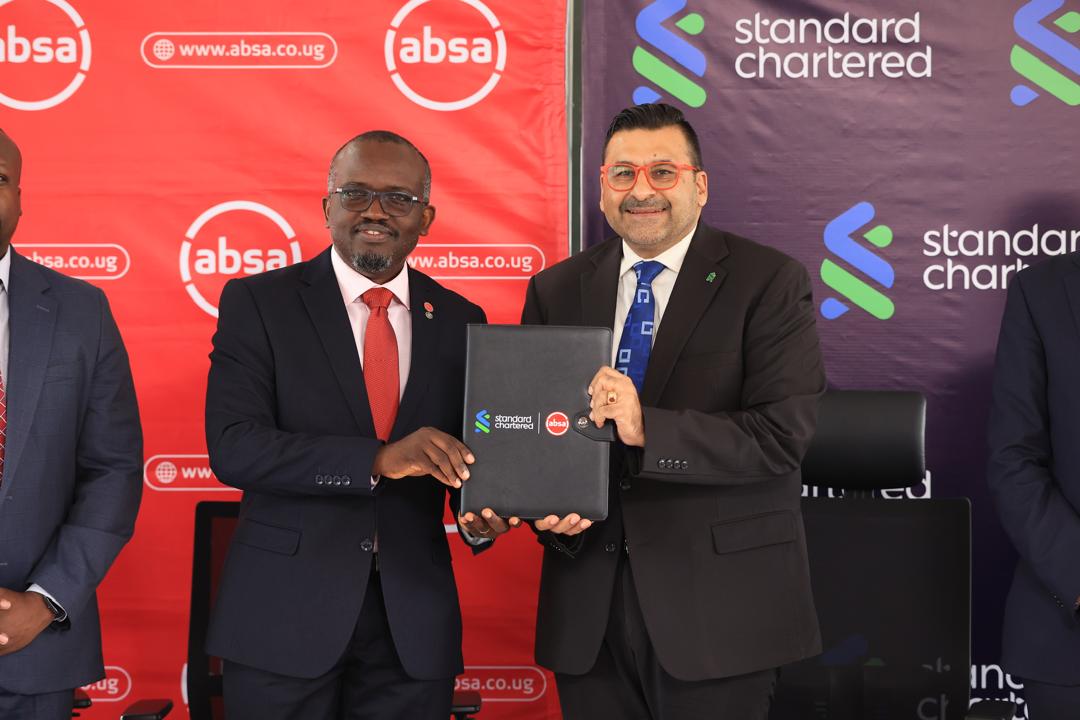
Absa Bank Uganda Managing Director David Wandera said the bank had worked closely with Standard Chartered to preserve the products, pricing, relationships and support that customers value.
Customers who previously held personal and wealth banking accounts with Standard Chartered Bank Uganda are now banking under Absa Bank Uganda following the completion of the transfer of Standard Chartered's Wealth and Retail Banking business.
The two banks announced o5n November 13, 2026, that the transaction, first unveiled in November 2024, had been completed following regulatory approvals. The final migration and integration of customer accounts and banking services took place over the weekend of November 13–15, with customers expected to begin accessing their accounts through Absa's banking channels from November 16.
For thousands of affected customers, the transition marks the end of their relationship with Standard Chartered as a retail banking provider and the beginning of a new banking arrangement under Absa.
What the transition means for customers
One of the biggest concerns for customers during a bank acquisition is whether their existing accounts, banking products, pricing arrangements and access to services will change.
Absa Bank Uganda Managing Director, David Wandera, said the bank had worked closely with Standard Chartered to preserve the products, pricing, relationships and support that customers value.
This means customers are expected to continue accessing their banking services under Absa, with the bank taking responsibility for the transferred retail and wealth banking business.
The migration also includes the transfer of customer relationships and the Standard Chartered employees who supported the Wealth and Retail Banking business. Their integration into Absa is intended to maintain continuity of expertise and customer service.
Customers should, however, pay attention to communication from both banks regarding access to their accounts, debit and credit cards, digital banking platforms and other services as the integration progresses.
For customers who previously relied on Standard Chartered's banking channels, the immediate adjustment will be becoming familiar with Absa's systems and service platforms.
What Absa Bank gains from the acquisition
The transaction significantly strengthens Absa's position in Uganda's personal and wealth banking market.
By taking over Standard Chartered's retail and wealth banking business, Absa expands its customer base, adds established banking relationships and acquires additional expertise in wealth management and financial services.
The transfer also brings experienced Standard Chartered employees into Absa, potentially strengthening the bank's capacity to serve high-value individual customers and those seeking investment and wealth management solutions.
Absa already has an established presence across Uganda, with 39 branches, 85 ATMs and 25 cash deposit machines, according to information provided by the bank.
The acquisition gives it an opportunity to build on this infrastructure while integrating Standard Chartered's existing customer relationships and banking capabilities.
For Absa, the challenge now will be to ensure that the expanded customer base translates into improved service delivery, competitive products and stronger customer confidence.
What it means for Uganda's banking sector
The transaction is also significant for Uganda's banking industry because it changes the competitive landscape in the retail and wealth banking segment.
With Standard Chartered withdrawing from personal and retail banking, Absa takes over an established portfolio of customers and products, consolidating more of the market's retail banking business under its operations.
The development reflects a broader strategic shift by Standard Chartered Group towards concentrating resources in markets and business segments where it sees the strongest opportunities and competitive advantages.
In Uganda, Standard Chartered will retain its Corporate and Investment Banking business, focusing on corporate clients, financial institutions and cross-border transactions while connecting Ugandan businesses to its international network and financing capabilities.
This means the bank is not exiting Uganda altogether. Rather, it is narrowing its local focus from serving both individual and institutional customers to concentrating on corporate and investment banking.
For the wider banking sector, the acquisition highlights the importance of scale, specialised expertise and investment in banking infrastructure as financial institutions position themselves for changing customer needs.
It also places greater responsibility on Absa to demonstrate that the expanded business can deliver consistent service, innovation and competitive banking solutions.
The next phase

Although the transaction has been completed, the real test for both institutions will be how effectively they manage the post-transfer relationship with customers.
For former Standard Chartered customers, confidence will depend on uninterrupted access to their money, reliable banking channels and clear communication whenever changes affect their day-to-day banking.
For Absa, the acquisition presents an opportunity to deepen its presence in Uganda's retail and wealth banking market while retaining customers who may be assessing their banking options following the transition.
Ultimately, the success of the deal will not only be measured by the number of customers transferred but also by whether they experience a smooth transition and continue receiving banking services that meet their expectations.
As Standard Chartered refocuses on corporate and investment banking, Absa takes on the responsibility of carrying forward a retail and wealth banking business built over years in Uganda.