
Industrialisation
Industrialists Urged to Focus on Productivity, Job Creation as Uganda Pushes Industrial Growth
“A factory can be operational without making a meaningful economic contribution,” Ggoobi said
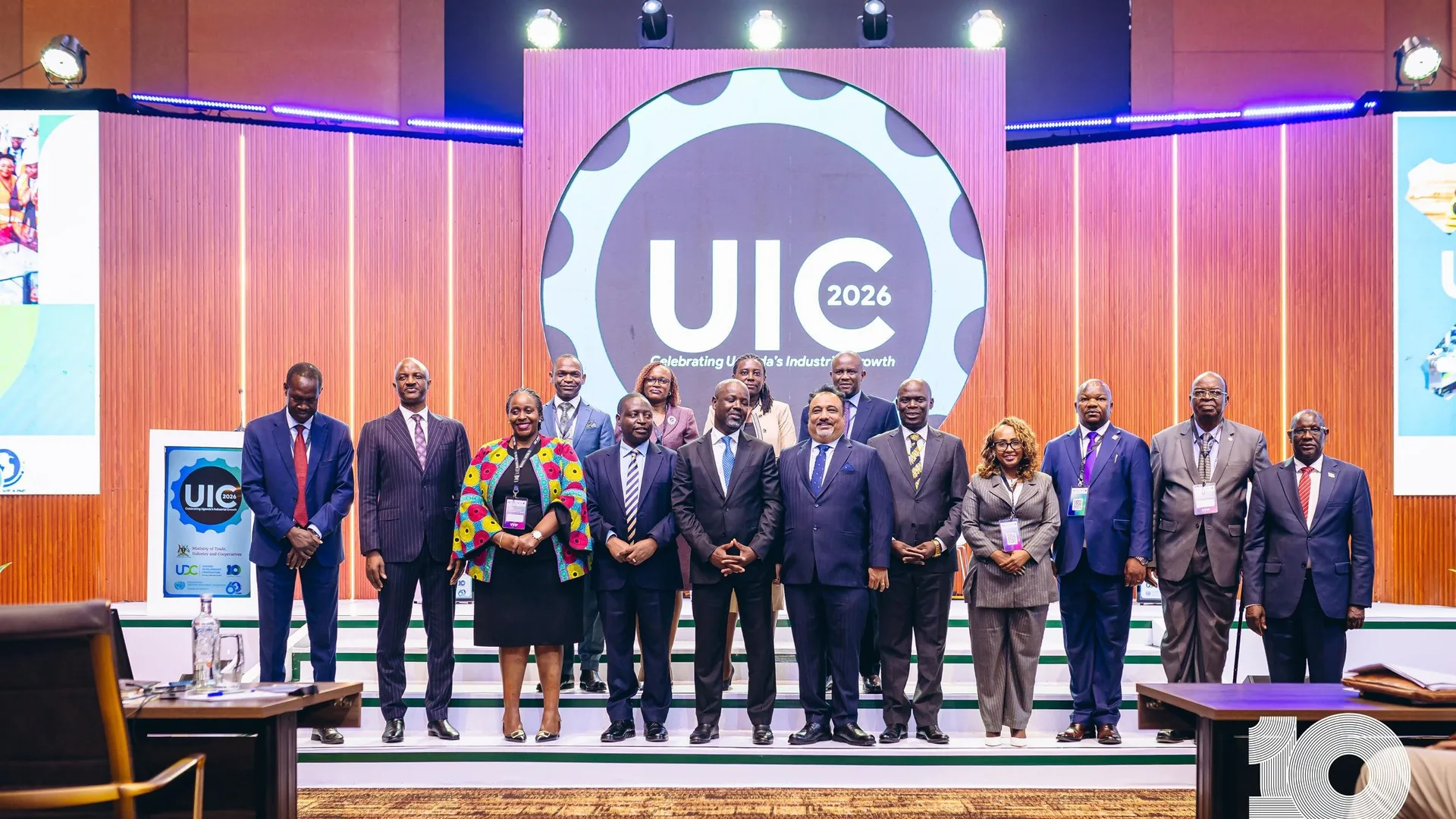
Industrialists have been urged to focus on creating measurable economic impact through increased productivity, quality job creation, local value addition and expanded markets as Uganda steps up efforts to accelerate its industrialisation drive.
Industrialists have been urged to focus on creating measurable economic impact through increased productivity, quality job creation, local value addition and expanded markets as Uganda steps up efforts to accelerate its industrialisation drive.
The call was made during the ongoing Uganda Industrialisation Conference 2026 at Speke Resort Munyonyo, where government leaders, policymakers and private sector players are discussing strategies to strengthen local manufacturing and position industries as drivers of economic transformation.
Ramathan Ggoobi, Permanent Secretary and Secretary to the Treasury at the Ministry of Finance, Planning and Economic Development, challenged industrialists to look beyond establishing factories and focus on the actual economic value their businesses generate.
“A factory can be operational without making a meaningful economic contribution,” Ggoobi said, arguing that industrial success should be measured through productivity, quality jobs, domestic value retained and markets reached.
He also called for a stronger role for development institutions in mobilising private investment and supporting strategic industries, emphasising that government should facilitate private sector growth rather than permanently replace market forces.
“The state must create markets, not permanently replace them,” he said.
Deputy Speaker of Parliament Thomas Tayebwa, who officiated the opening of the conference, reaffirmed Parliament's commitment to supporting Uganda's industrialisation agenda through legislation, financing and accountability.
“Industrialisation requires legislation, funding and accountability,” Tayebwa said, highlighting Parliament's role in creating an enabling policy environment, allocating resources and ensuring that public investments deliver their intended outcomes.
Tayebwa also challenged the Uganda Development Corporation (UDC) to translate its investments into greater economic returns as it marks 10 years since its re-establishment.
“The first ten years have been about planting; the next ten years must be about harvesting,” he said, urging the corporation to focus on delivering tangible results through stronger industries, employment opportunities and increased economic value.

The conference, running from November 18 to 20 under the theme Celebrating Uganda's Industrial Growth, also provides an opportunity to assess UDC's contribution to the country's industrial development over the past decade.
Minister of Trade, Industry and Cooperatives Sanjay Tanna highlighted the growth of the corporation's investment portfolio from approximately Shs160 billion in 2019 to Shs1.5 trillion in 2026, reflecting its expanding role in supporting strategic investments.
UDC Executive Director Dr Patrick Birungi said the corporation had invested in 28 companies over the past decade, supporting more than 5,799 direct jobs and several thousand indirect employment opportunities.
The corporation's supported enterprises also purchase more than 35,000 tonnes of agricultural produce annually, pay approximately Shs138.45 billion to farmers and local suppliers, generate $14.22 million in export earnings and contribute more than Shs30 billion in taxes to government.
These investments are expected to strengthen linkages between agriculture and manufacturing by providing markets for locally produced raw materials while supporting the production of higher-value goods for domestic consumption and export.
Uganda's industrial sector contributed 24.9 per cent to the country's Gross Domestic Product in 2025 and registered annual growth of 6.4 per cent, according to figures presented at the conference. The country's formal manufacturing base has also expanded from 81 industries in 1986 to more than 12,000 today.
Government is also investing in industrial infrastructure, with eight operational industrial parks out of the 22 planned across the country. The parks have attracted domestic and foreign investments worth approximately $5.8 billion and generated more than 163,000 jobs, according to figures presented by the Trade Ministry.
However, stakeholders noted that sustaining industrial growth will require addressing constraints such as access to affordable financing, the cost of production, technology adoption, reliable energy, product standards and access to markets.
Uganda is also looking to leverage regional and continental trade opportunities, particularly through the East African Community and the African Continental Free Trade Area, to expand markets for locally manufactured products.
The conference comes as Uganda pursues its Ten-Fold Growth Strategy, which seeks to expand the economy from approximately $50 billion to $500 billion, with industrialisation expected to play a central role in increasing production, exports, employment and household incomes.
As UDC marks its first decade, the discussions are increasingly shifting towards how the corporation and other development institutions can convert investments into commercially sustainable industries and measurable economic outcomes.
For industrialists, the message from the conference is clear: the next phase of Uganda's industrialisation must be defined not just by the number of factories established or investments committed, but by the jobs created, products manufactured, markets accessed and economic value retained within the country.