
Investment
CPHIA 2026: Africa Pushes for Health Sovereignty, Local Investment and Manufacturing.
Africa’s health leaders meet in Addis Ababa to discuss health financing, local manufacturing and greater self-reliance.
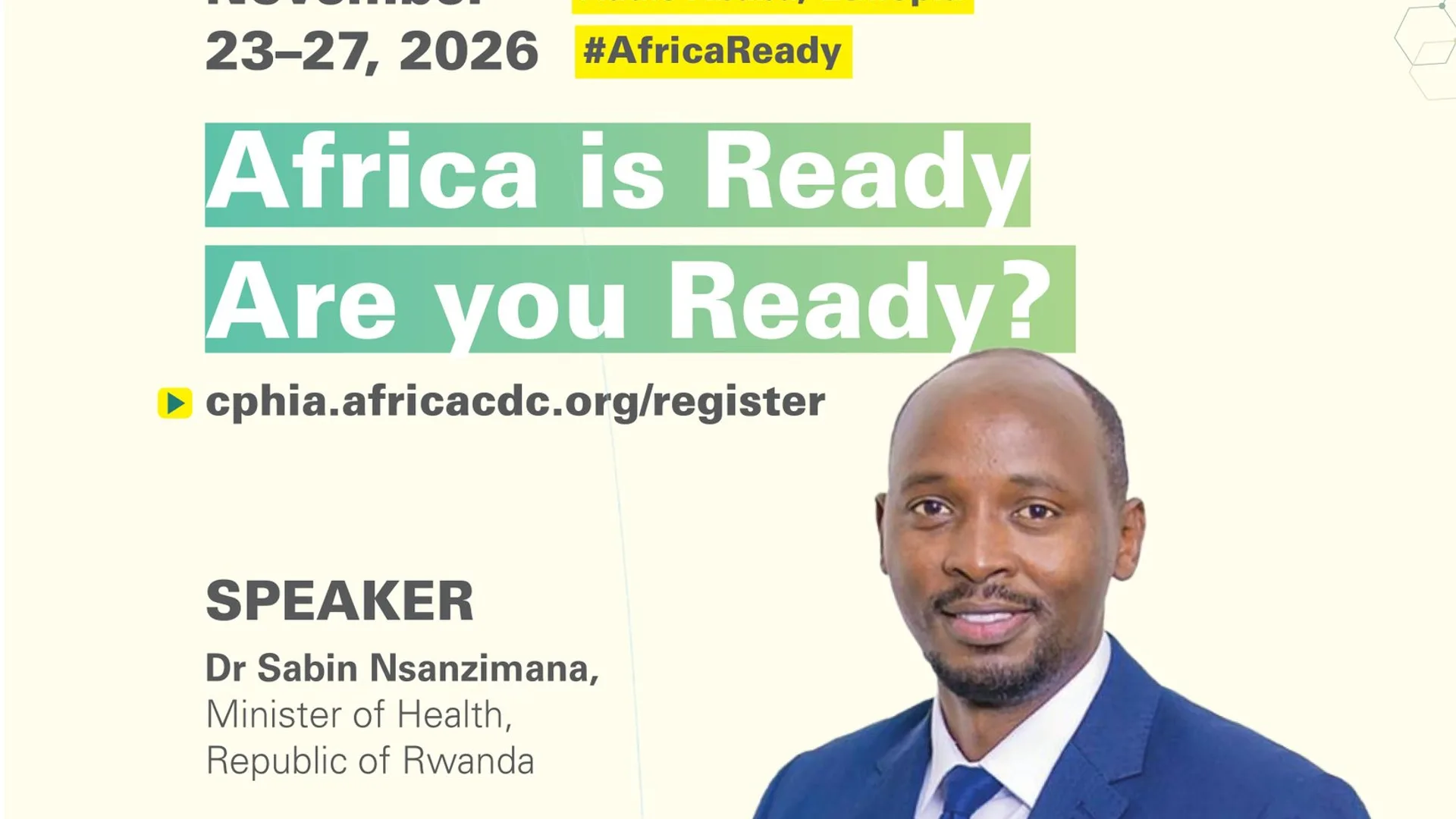
CPHIA 2026 brings African leaders, policymakers, scientists and businesses together in Addis Ababa to advance health sovereignty, local manufacturing, financing and innovation.
CPHIA 2026: Africa Puts Health Sovereignty, Local Manufacturing and Financing in the Spotlight
By Aulah Najjuuka
Africa’s push to build stronger, more self-reliant health systems is taking centre stage in Addis Ababa as political leaders, policymakers, scientists, innovators and health-sector partners gather for the fifth International Conference on Public Health in Africa (CPHIA 2026).
The five-day conference, running from 23–27 November 2026 at the Addis International Convention Center, is co-hosted by the Africa Centres for Disease Control and Prevention (Africa CDC) and the Government of Ethiopia.
Held under the theme “Africa’s Health Security and Sovereignty: Transformation from Health Dependency and Vulnerability to Ownership and Resilience,” CPHIA 2026 is examining how African countries can reduce reliance on external health support while building stronger institutions, financing systems, manufacturing capacity and home-grown solutions.
The conference comes at a time when uncertainty around external health financing is putting greater pressure on African countries to mobilise domestic resources and strengthen their own health systems.
Africa CDC says the gathering will assess how continental commitments can translate into sustainable financing, locally produced health products, stronger institutions and improved health services.
From dependence to ownership
At the heart of CPHIA 2026 is a shift in the way Africa approaches health security.
Africa CDC Director-General Dr. Jean Kaseya has described the conference as part of efforts to build stronger, self-reliant health systems and ensure that Africa’s health security is driven by African leadership, innovation and partnerships.
The agenda reflects that ambition, with discussions covering health financing, local manufacturing, pandemic preparedness, digital transformation, artificial intelligence, climate resilience and reform of the global health architecture.
Ethiopia’s Prime Minister Abiy Ahmed also called for collective action ahead of the conference.
“Together, let us turn shared aspirations into collective action and build a healthier, more resilient Africa.”
“Africa is ready;” he added.
Local production takes centre stage
One of the major economic issues running through the conference is Africa’s ability to produce more of the health products it needs.
The CPHIA programme highlights the continent’s ambition to produce 60% of its vaccine requirements locally by 2040, alongside efforts to strengthen pharmaceutical manufacturing, research, regulation and regional cooperation.
For African economies, the issue extends beyond public health. Building local manufacturing capacity could create opportunities for investment, technology transfer, research and development, skilled employment and regional trade, while reducing exposure to international supply-chain disruptions.
The conference programme also places financing at the centre of the conversation, with high-level discussions examining how African countries can mobilise more predictable and sustainable resources for health.
Technology and AI enter the health conversation
CPHIA 2026 is also looking at how technology can reshape African health systems.
Sessions scheduled for the conference examine digital health, artificial intelligence, data sovereignty and AI-enabled health systems, alongside climate-related health risks and early-warning systems.
The focus reflects a wider push to use innovation not simply to improve healthcare delivery, but to strengthen Africa’s capacity to anticipate and respond to public health threats.
The conference is expected to bring together more than 30,000 participants, with more than 100 scientific sessions and discussions spanning six major tracks, including global health architecture, pandemic preparedness, financing, digital transformation and AI, local manufacturing, and climate resilience.
A bigger question for Africa
Beyond the policy discussions, CPHIA 2026 is ultimately confronting a broader question: can Africa build health systems that are financed, supplied and driven increasingly from within the continent?
That question has implications for governments, businesses, investors, researchers and innovators alike.
As discussions continue in Addis Ababa through 27th November, the emphasis will be on turning the language of health sovereignty into practical action, from stronger domestic financing and local production to technology, research and resilient health institutions.
For Africa, the ambition is clear; move from being primarily a recipient of global health solutions to becoming a stronger producer, investor and decision-maker in its own health future.