
Banking
BoU Is Capping Cash Withdrawals From 1 January 2027
What does it mean?
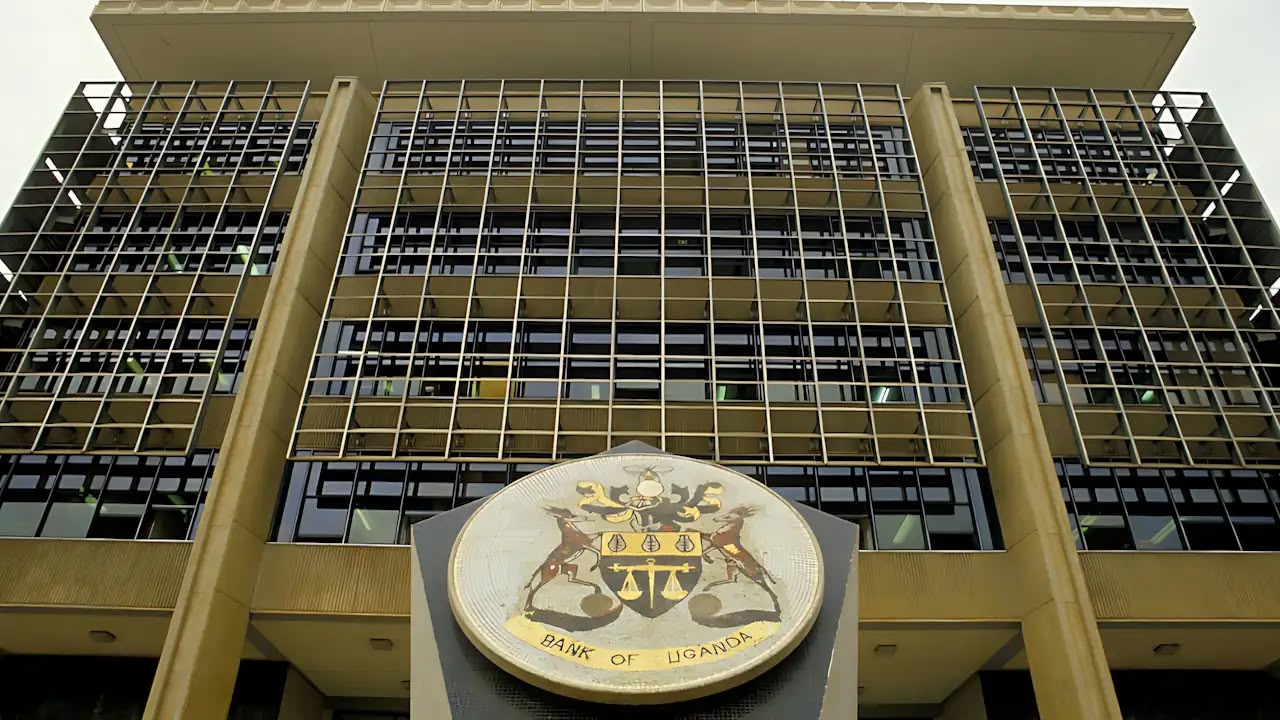
From 1 January 2027, the Bank of Uganda will cap over-the-counter cash withdrawals while leaving digital transfers outside these limits. Here’s what individuals and businesses need to know before the changes take effect.
If you saw the Bank of Uganda advert in today’s New Vision (Monday, 16 November, p.19), you may have wondered: “Is BoU restricting access to my money?”
The limits concern physical cash withdrawn over the counter. They do not impose the same caps on electronic transfers.
From 1 January 2027, the following limits will apply to accounts held with supervised financial institutions:
Account type Daily cash cap Weekly cash cap
Individual Accounts UGX 50 million UGX 250 million
Corporate / Business Accounts UGX 500 million UGX 2.5 billion
What is NOT affected?
Digital payment channels, including the Real-Time Gross Settlement System (RTGS), Electronic Funds Transfers (EFTs), and mobile money bank-to-wallet transfers.
For example, these cash caps would not prevent a Shs1 billion RTGS transfer, although the bank’s applicable requirements would still apply. Withdrawing that amount over the counter would exceed either daily cash cap.
Why is BoU doing this?
The policy supports the financial sector’s e-payments strategy and Uganda’s transition towards a cash-lite economy.
BoU’s Automated Clearing House data shows that, between FY2017/18 and FY2025/26:
- Electronic credit transfers’ share of cleared transaction volume rose from 87.71% to 93.53%.
- Their share of cleared transaction value increased from 79.33% to 93.00%.
- BoU also reports that mobile money averaged 25% of transactions annually since FY2020/21.
BoU interprets these trends as evidence of growing preference for electronic payments. The clearing-house figures describe transactions within that system, rather than all payments across Uganda’s economy.
What about businesses that still need cash?
BoU recognises that some sectors remain cash dependent. Its guidance provides for:
- Customer Risk Profiling: Banks must assess customers’ risks and may set limits below the stated ceilings.
- Exceptional Approvals: BoU may waive limits for particular transactions or sectors following a request from the financial institution.
- Promotion of Digital Alternatives: Banks must explain available electronic payment options.
A nationwide public awareness campaign was scheduled to begin on 1 July 2026.
The practical takeaway
Businesses making large cash payments should review their arrangements early, particularly agricultural buyers, traders, transporters and construction firms.
Ask your bank what limit applies, which digital options suit your suppliers and workers, and how exception requests are handled.
As of 16 November, implementation is 46 days away; just over six weeks.