
Banking
BoU restores interbank payments as businesses reconcile cash
Bank of Uganda restoration announcement turns attention to payment confirmation, supplier obligations, and the cost of waiting for money.
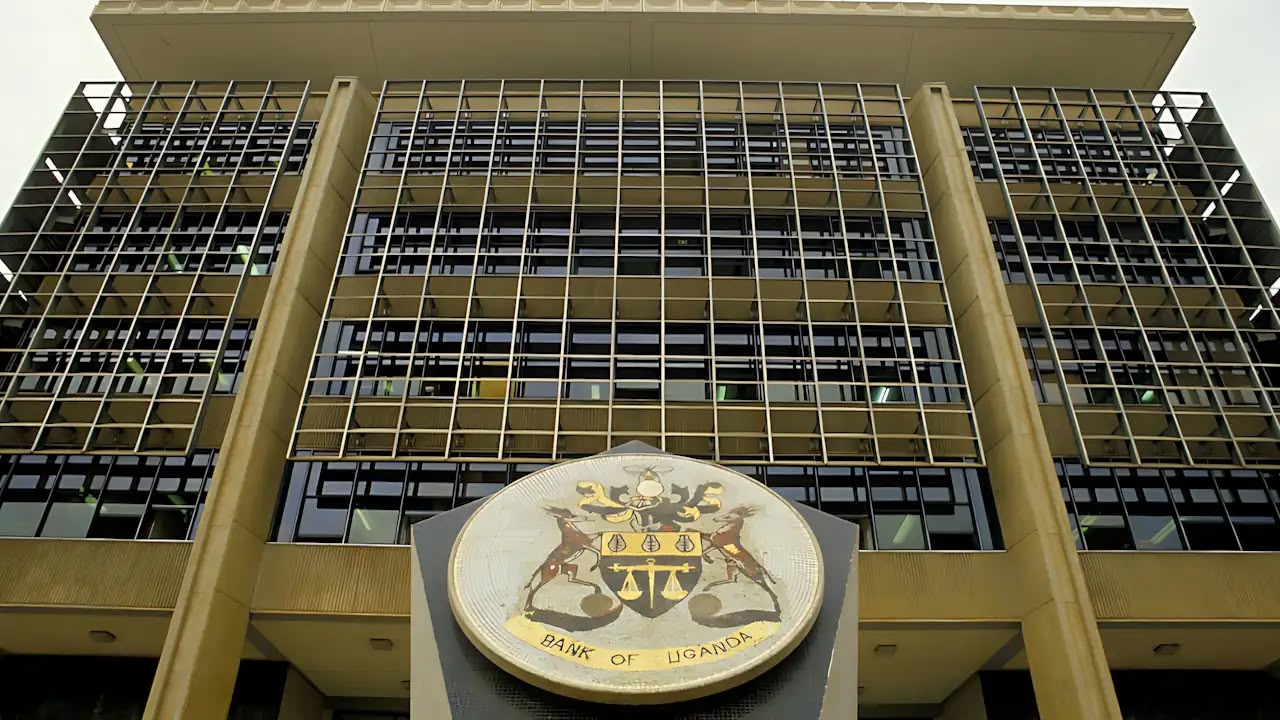
Bank of Uganda (BoU) announced that its Real-Time Gross Settlement and Automated Clearing House services were restored at 9 am on Monday, 9 November 2026, following a planned upgrade. For businesses that held back interbank payments over the weekend, the immediate task is to establish which transactions have actually reached their destination.
The suspension began at 5 pm on Thursday, 5 November. BoU’s public guidance said mobile money, ATMs, counter services and transfers within the same bank would continue operating. The interruption therefore concerned specific payment infrastructure; businesses should assess their own transactions rather than assume every financial service was unavailable.
Businesses beyond banking depend on when transfers settle. A supplier can have a legitimate invoice and a customer willing to pay, yet still lack usable cash when a transfer has not settled. That gap can affect the next purchase of stock, a transport booking or the payment of casual workers. The commercial importance of a payment system lies partly in how quickly it turns a promise to pay into money the recipient can use.
Consider a hypothetical wholesaler expecting a bank transfer before releasing goods to a retailer. If the payment waits for processing, the wholesaler must choose whether to release stock on credit, ask for another payment method or postpone delivery. Each option shifts a cost or a risk between the two businesses. This illustrates a possible exposure; it does not establish that wholesalers experienced those losses during the upgrade.
Restoration makes reconciliation particularly important. A business should compare its bank statement, payment instructions and supplier confirmations before resending a transfer. An instruction entered into an online banking platform is not necessarily evidence that the beneficiary has received the funds. Where a payment remains unclear, the transaction reference gives both banks a starting point for tracing it.
The same exercise can improve relationships with customers. A supplier waiting for payment needs a clear update on the transaction’s status and an agreed delivery arrangement. Silence can turn a technical delay into a dispute over trust. Finance teams should distinguish payments that were never submitted from those awaiting bank action and those already completed.
For smaller enterprises, the experience also offers a reason to review how payment dates match stock and wage commitments. A business relying on one incoming transfer to finance every outgoing obligation has little room to absorb a delay. A modest cash buffer, where affordable, and agreed contingency arrangements with key customers can reduce that exposure. Alternative channels still need to be assessed for transaction limits, charges and the recipient’s ability to use the money.
The upgrade’s commercial value will ultimately be judged through reliable transactions and useful information when something goes wrong. BoU’s announcement confirms restoration at the system level. It does not, by itself, confirm that every customer payment has cleared or quantify any losses during the suspension. For a business opening its accounts this week, the most useful question is specific: has the money arrived, and can it now meet the obligation for which it was intended?